Dates That Made History
2017–2025
Watch on
 Amazon Prime Video
 Amazon Prime Video with Ads
- IMDb
- tt11840414
- Production
 Les Films d'Ici
 ARTE
ARTE Histoire TV
 TV5 Monde
Seasons
Season 1
-
 E1
13 juin -323, mort d'Alexandre le Grand
E1
13 juin -323, mort d'Alexandre le Grand
-
 E2
33, crucifixion de Jésus
E2
33, crucifixion de Jésus
-
 E3
Un Jour De 79, La Destruction De Pompéi/destruction of Pompeii (august 24, 79 A.D.)
E3
Un Jour De 79, La Destruction De Pompéi/destruction of Pompeii (august 24, 79 A.D.)
-
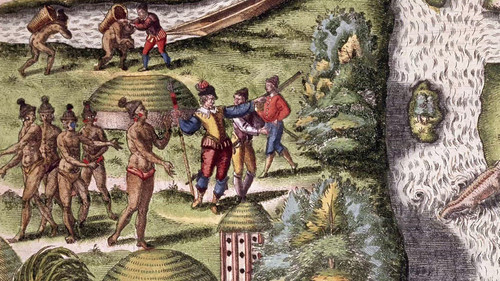 E4
24 Septembre 622, L'an 1 De L'islam/the Hegira (september 24, 622 A.D.)
E4
24 Septembre 622, L'an 1 De L'islam/the Hegira (september 24, 622 A.D.)
-
 E5
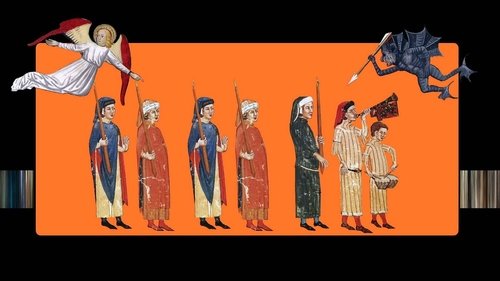
1347, La Peste Noire/the Black Death (1347 A.D.)
E5
1347, La Peste Noire/the Black Death (1347 A.D.)
-
 E6
Fall of the Angkor Empire (1431 A.D.)
E6
Fall of the Angkor Empire (1431 A.D.)
-
 E7
1492, un nouveau monde/the New World (1492 A.D.)
E7
1492, un nouveau monde/the New World (1492 A.D.)
-
 E8
20 Juin 1789, Le Serment Du Jeu De Paume/the Birth of The French Republic (june 20, 1789 A.D.)
E8
20 Juin 1789, Le Serment Du Jeu De Paume/the Birth of The French Republic (june 20, 1789 A.D.)
-
 E9
6 Août 1945, Hiroshima/hiroshima (august 6, 1945 A.D.)
E9
6 Août 1945, Hiroshima/hiroshima (august 6, 1945 A.D.)
-
 E10
11 Février 1990, Libération De Nelson Mandela/liberation of Nelson Mandela (february 11, 1990 A.D.)
E10
11 Février 1990, Libération De Nelson Mandela/liberation of Nelson Mandela (february 11, 1990 A.D.)
Season 2
-
 E1
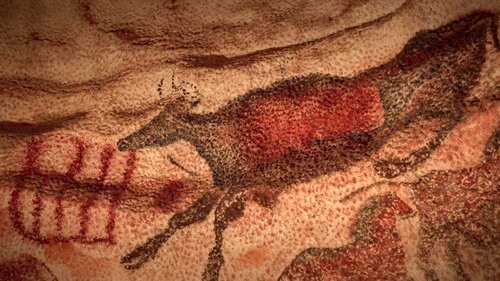
The Lascaux Cave (18,000 B.C.)
E1
The Lascaux Cave (18,000 B.C.)
-
 E2
Akhenaten's Religious Revolution (1348 B.C.)
E2
Akhenaten's Religious Revolution (1348 B.C.)
-
 E3
21 Avril -753, La Fondation De Rome/the Foundation of Rome (april 21, 753 B.C.)
E3
21 Avril -753, La Fondation De Rome/the Foundation of Rome (april 21, 753 B.C.)
-
 E4
The Trial of Socrates (399 B.C.)
E4
The Trial of Socrates (399 B.C.)
-
 E5
Alesia (52 B.C.)
E5
Alesia (52 B.C.)
-
 E6
The Donation of Constantine (751-756 A.D.)
E6
The Donation of Constantine (751-756 A.D.)
-
 E7
Battle of Talas and Height of the Tang Dynasty (751 A.D.)
E7
Battle of Talas and Height of the Tang Dynasty (751 A.D.)
-
 E8
The Year 1000 A.D.
E8
The Year 1000 A.D.
-
 E9
Louis IX Dies in Carthage (August 25, 1270 A.D.)
E9
Louis IX Dies in Carthage (August 25, 1270 A.D.)
-
 E10
Mansa Musa's Pilgrimage to Mecca (1324 A.D.)
E10
Mansa Musa's Pilgrimage to Mecca (1324 A.D.)
-
 E11
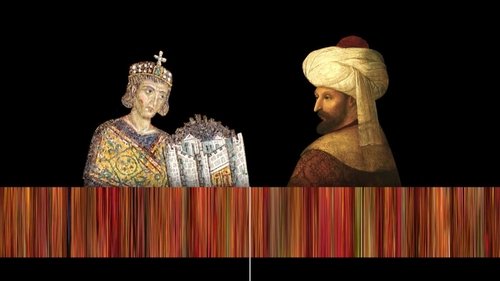
The Fall of Constantinople (May 29, 1453 A.D.)
E11
The Fall of Constantinople (May 29, 1453 A.D.)
-
 E12
Babur Takes Over India and Panipat (April 21, 1526 A.D.)
E12
Babur Takes Over India and Panipat (April 21, 1526 A.D.)
-
 E13
The Assassination of Henry IV (May 14, 1610 A.D.)
E13
The Assassination of Henry IV (May 14, 1610 A.D.)
-
 E14
The American Independence (July 4, 1776 A.D.)
E14
The American Independence (July 4, 1776 A.D.)
-
 E15
The Battle of Borodino (September 7, 1812 A.D.)
E15
The Battle of Borodino (September 7, 1812 A.D.)
-
 E16
The Revolutions of 1848 A.D.
E16
The Revolutions of 1848 A.D.
-
 E17
Sacking of the Summer Palace in Beijing (October 1860 A.D.)
E17
Sacking of the Summer Palace in Beijing (October 1860 A.D.)
-
 E18
The Conquest of the South Pole (1911 A.D.)
E18
The Conquest of the South Pole (1911 A.D.)
-
 E19
A Colonial Massacre in Paris (October 17, 1961 A.D.)
E19
A Colonial Massacre in Paris (October 17, 1961 A.D.)
-
 E20
The Other 9/11 (September 11, 1973 A.D.)
E20
The Other 9/11 (September 11, 1973 A.D.)
Season 3
-
 E1
Le 1er mai
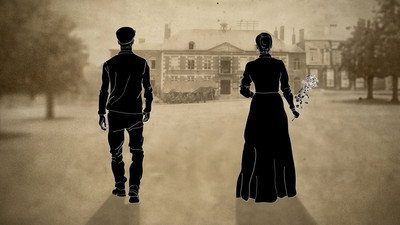
May 1st, far more than just "Labor Day," has its roots in workers' struggles that began in Paris in 1889. Its symbols, such as the red triangle, representing the equal distribution of time in a day, or the hawthorn, with its more tragic connotations, are emblems of a dream of emancipation but also of disillusionment. Even today, its message resonates in the streets around the world.
E1
Le 1er mai
May 1st, far more than just "Labor Day," has its roots in workers' struggles that began in Paris in 1889. Its symbols, such as the red triangle, representing the equal distribution of time in a day, or the hawthorn, with its more tragic connotations, are emblems of a dream of emancipation but also of disillusionment. Even today, its message resonates in the streets around the world.
-
 E2
212 - L'édit de Caracala
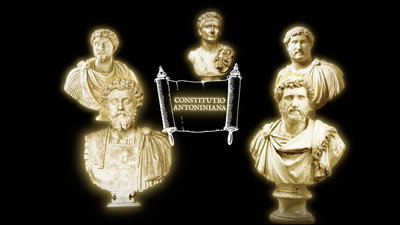
In 212 AD, the imperial law known as the Edict of Caracalla extended Roman citizenship to all free inhabitants of the Empire. It is a fundamental law of the late Roman Empire, establishing the core principles of identity and citizenship. What does this event reveal about 3rd-century Rome? With Audrey Bertrand.
E2
212 - L'édit de Caracala
In 212 AD, the imperial law known as the Edict of Caracalla extended Roman citizenship to all free inhabitants of the Empire. It is a fundamental law of the late Roman Empire, establishing the core principles of identity and citizenship. What does this event reveal about 3rd-century Rome? With Audrey Bertrand.
-
 E3
1816 - Frankenstein
Frankenstein's creature, born from Mary Shelley's imagination during the summer of 1816 on the shores of Lake Geneva, embodies our fear of uncontrolled scientific progress leading to the dehumanization of the world and of life. How can a founding myth of modernity remain relevant?
E3
1816 - Frankenstein
Frankenstein's creature, born from Mary Shelley's imagination during the summer of 1816 on the shores of Lake Geneva, embodies our fear of uncontrolled scientific progress leading to the dehumanization of the world and of life. How can a founding myth of modernity remain relevant?
-
 E4
1521 - La conquête de Mexico
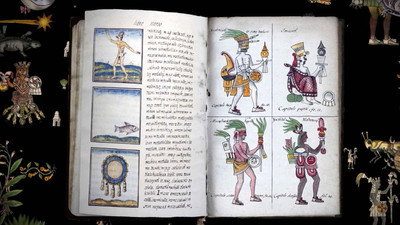
On August 13, 1521, Tenochtitlán, the capital of the Aztec Empire, fell to Hernán Cortés after a months-long siege. With its conquest, the Spanish conquistador not only conquered one of the world's largest cities, but also the spiritual center of a highly developed civilization. The conquest is not only part of Mexican history, but also of Europe's colonial conscience.
E4
1521 - La conquête de Mexico
On August 13, 1521, Tenochtitlán, the capital of the Aztec Empire, fell to Hernán Cortés after a months-long siege. With its conquest, the Spanish conquistador not only conquered one of the world's largest cities, but also the spiritual center of a highly developed civilization. The conquest is not only part of Mexican history, but also of Europe's colonial conscience.
-
 E5
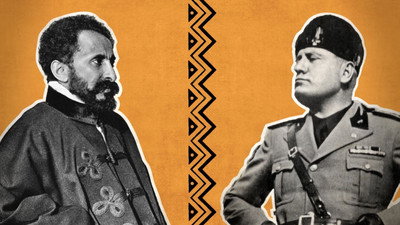
30 juin 1936 - Le discours d'Haïlé Sélassié à la SDN
When Emperor Haile Selassie of Ethiopia denounced the Italian invasion of his country before the League of Nations General Assembly on June 30, 1936, he called upon nations to uphold their obligations under international law. However, the silence of the major powers turned the Ethiopian crisis into a scene of political capitulation.
E5
30 juin 1936 - Le discours d'Haïlé Sélassié à la SDN
When Emperor Haile Selassie of Ethiopia denounced the Italian invasion of his country before the League of Nations General Assembly on June 30, 1936, he called upon nations to uphold their obligations under international law. However, the silence of the major powers turned the Ethiopian crisis into a scene of political capitulation.
-
 E6
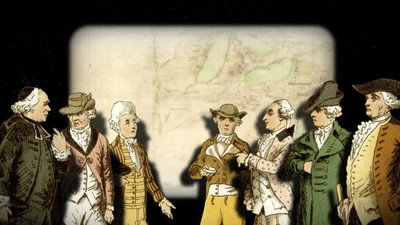
1720 - La faillite de Law
The collapse of the financial system designed by the Scotsman John Law to pay off Louis XIV's enormous debts is considered the first major stock market crash in European history. But what makes this moment so significant? Is it the failure of the paper money bank – or the deeper insight it provides into the power and debt regime of the French monarchy?
E6
1720 - La faillite de Law
The collapse of the financial system designed by the Scotsman John Law to pay off Louis XIV's enormous debts is considered the first major stock market crash in European history. But what makes this moment so significant? Is it the failure of the paper money bank – or the deeper insight it provides into the power and debt regime of the French monarchy?
-
 E7
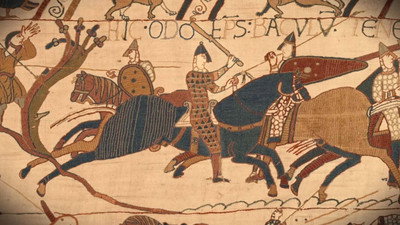
14 octobre 1066 - La bataille de Hastings
On October 14, 1066, the political order of northwestern Europe was redrawn at Hastings: William, Duke of Normandy, defeated the Anglo-Saxon King Harold Godwinson in a costly battle. Two months later, he was crowned King of England in Westminster. The famous Bayeux Tapestry documents the victory and the end of the Viking Age.
E7
14 octobre 1066 - La bataille de Hastings
On October 14, 1066, the political order of northwestern Europe was redrawn at Hastings: William, Duke of Normandy, defeated the Anglo-Saxon King Harold Godwinson in a costly battle. Two months later, he was crowned King of England in Westminster. The famous Bayeux Tapestry documents the victory and the end of the Viking Age.
-
 E8
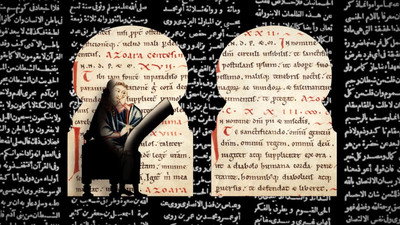
1143 - La traduction du Coran
When the Abbot of Cluny traveled to Spain in 1143 to commission a Latin translation of the Quran, he was not seeking dialogue, but rather to understand Islam in order to better combat it. The story of this first translation tells of encounter and resistance – far removed from the narratives of the "clash of civilizations" and Andalusian coexistence.
E8
1143 - La traduction du Coran
When the Abbot of Cluny traveled to Spain in 1143 to commission a Latin translation of the Quran, he was not seeking dialogue, but rather to understand Islam in order to better combat it. The story of this first translation tells of encounter and resistance – far removed from the narratives of the "clash of civilizations" and Andalusian coexistence.
-
 E9
Le déluge
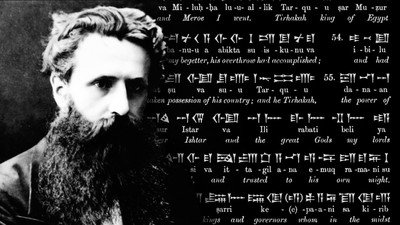
The flood is the most widely shared origin myth in human history. It marks a turning point in human history and divides time in two. Archaeological discoveries, such as those of George Smith in the 19th century, have revealed accounts older than the Bible. A brief exercise in comparative mythology.
E9
Le déluge
The flood is the most widely shared origin myth in human history. It marks a turning point in human history and divides time in two. Archaeological discoveries, such as those of George Smith in the 19th century, have revealed accounts older than the Bible. A brief exercise in comparative mythology.
-
 E10
1648 - La paix de Westsphalie
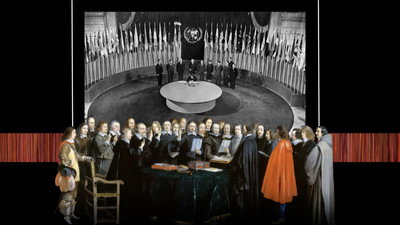
On October 24, 1648, the treaties ending the Thirty Years' War were signed in Münster. The Peace of Westphalia established the principles of state sovereignty and religious freedom and is considered the foundation of a new international order. How do wars end? Are we experiencing a crisis of the Westphalian system today?
E10
1648 - La paix de Westsphalie
On October 24, 1648, the treaties ending the Thirty Years' War were signed in Münster. The Peace of Westphalia established the principles of state sovereignty and religious freedom and is considered the foundation of a new international order. How do wars end? Are we experiencing a crisis of the Westphalian system today?
-
 E11
1er juin 1310 - Marguerite Porete au bûcher
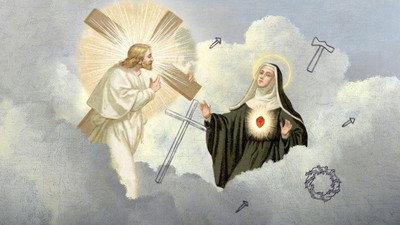
The mystic Marguerite Porete was burned at the stake in Paris in 1310. She had written a book that the Church considered heretical. Against the backdrop of the trials of heretics and political opponents under Philip the Fair, the question arises: Was Marguerite Porete's gruesome death a harbinger of the later witch hunts?
E11
1er juin 1310 - Marguerite Porete au bûcher
The mystic Marguerite Porete was burned at the stake in Paris in 1310. She had written a book that the Church considered heretical. Against the backdrop of the trials of heretics and political opponents under Philip the Fair, the question arises: Was Marguerite Porete's gruesome death a harbinger of the later witch hunts?
-
 E12
1er janvier 1804 - L'indépendance d'Haïti
January 1, 1804, marks the end of slavery in Saint-Domingue, which became Haiti, thus separating its history from its colonial power, France. It is not only the result of a national liberation war, but also leads to the founding of the first state on the American continent founded by former slaves. This is a truly significant event, not only in American and French history, but also in world history. However, the price of freedom was exorbitant, and the country is still paying it today.
E12
1er janvier 1804 - L'indépendance d'Haïti
January 1, 1804, marks the end of slavery in Saint-Domingue, which became Haiti, thus separating its history from its colonial power, France. It is not only the result of a national liberation war, but also leads to the founding of the first state on the American continent founded by former slaves. This is a truly significant event, not only in American and French history, but also in world history. However, the price of freedom was exorbitant, and the country is still paying it today.
-
 E13
800 - Le couronnement de Charlemagne
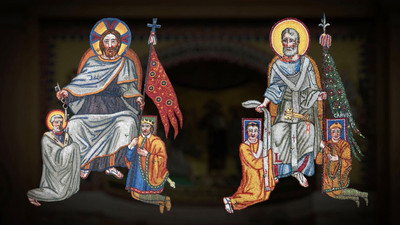
In the year 800, on Christmas Day, Charlemagne was crowned emperor in St. Peter's Basilica in Rome by Pope Leo III – an act that, in history books, marks the rebirth of the Western Roman Empire. But behind this solemn moment lies a complex interplay of power, religion, and political symbolism.
E13
800 - Le couronnement de Charlemagne
In the year 800, on Christmas Day, Charlemagne was crowned emperor in St. Peter's Basilica in Rome by Pope Leo III – an act that, in history books, marks the rebirth of the Western Roman Empire. But behind this solemn moment lies a complex interplay of power, religion, and political symbolism.
-
 E14
24 septembre 1877 - La bataille de Shiroyama
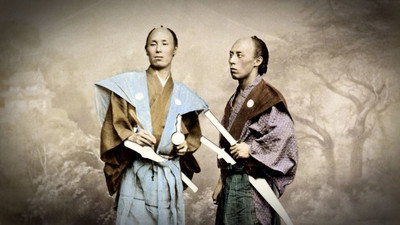
On September 24, 1877, the Imperial Japanese Army defeated the last samurai who had revolted against the forced modernization desired by Emperor Meiji. The portrayal of the battle and its protagonists is often reduced to an opposition between an archaic Japan and Western modernity. However, the story is much more complex.
E14
24 septembre 1877 - La bataille de Shiroyama
On September 24, 1877, the Imperial Japanese Army defeated the last samurai who had revolted against the forced modernization desired by Emperor Meiji. The portrayal of the battle and its protagonists is often reduced to an opposition between an archaic Japan and Western modernity. However, the story is much more complex.
-
 E15
-221 : fondation de l'empire chinois
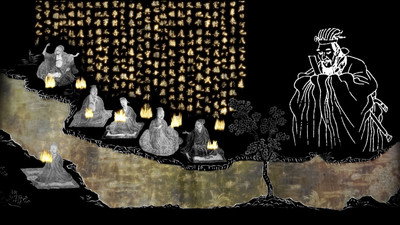
In 221 BC, the king of Qin, a small state on the western edge of China, defeated the Warring States period and unified the Chinese Empire. Tradition has made this first emperor the founder of a political system that presents itself as immutable. But when did this date come into being? Since when has 221 BC been considered the year zero of imperial China?
E15
-221 : fondation de l'empire chinois
In 221 BC, the king of Qin, a small state on the western edge of China, defeated the Warring States period and unified the Chinese Empire. Tradition has made this first emperor the founder of a political system that presents itself as immutable. But when did this date come into being? Since when has 221 BC been considered the year zero of imperial China?
GET /api/titles/399846